
Four Core Needs of Every Employee
September 23, 2015 | Posted in Leading Hartfully | By Gaia Hart
The Harvard Business Review interviewed more than 19,000 people, at all levels in companies, across a broad range of industries asking the question of what stands in the way of our being more satisfied and productive at work.
The results were that people feel better and perform better and more sustainably when four basic needs are met:
- renewal (physical);
- value (emotional);
- focus (mental);
- and purpose (spiritual).
No big surprises in the answers as this is what I’ve been teaching for decades that when we feel more energized, appreciated, focused and purposeful, then we perform better. I recently read several articles in Training journals about the importance of play at work and gamification in the learning arena helping workers learn better and having more fun at work improves productivity. Really? They are JUST NOW printing these articles?? Those of us in the Recreation and Training industries have known for many decades that work made fun gets gone and good times lead to good business. Also that laughter and learning go together to improve retention. When we are more fully engaged, present, comfortable, centered and on purpose, we do better all the way around in life.
When we get to rest and renew our energy during the day, we are better able to focus, handle workloads and be creative. One reason to get out of your office over your lunch break. Your brain and your body need a rest so you come back refreshed and renewed.
Feeling valued creates a deeper level of trust and security at work, which frees us to spend less energy seeking and defending our value, and more energy creating it. Having a sense that what we do matters and serves something larger than our immediate self-interest toward our personal purpose which hopefully is aligned with the organizational purpose is a grand source of motivation.
What’s surprising about our survey’s results is how dramatically and positively getting these needs met is correlated with every variable that influences performance. What they found that meeting even one of the four core needs had a dramatic impact on every performance variable in the study. When all four needs are met, the effect on engagement rises from 50 percent for one need, to 125 percent. Engagement, in turn, has been positively correlated with profitability.
You can start with just one core need and add the others as the previous one becomes habit and ingrained in your organizational culture. Only 20 percent of respondents said they were encouraged by their supervisors to take renewal breaks during the day. By contrast, those who were encouraged to take intermittent breaks reported they were 50 percent more engaged, more than twice as likely to stay with the company, and twice as healthy overall. Leaders need to question their outdated assumptions that that performance is best measured by the number of hours employees puts in — and the more continuous the better — rather than by the value they generate.
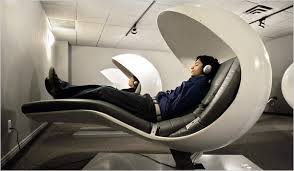
In a recent interview with Arianna Huffington of The Huffington Post empire regarding nap pods she has installed in her organization; she stated that she does not pay her staff for their stamina, she pays them to for their creative brain power and if they are too tired to think, they are not bringing creative ideas to the table. So a renewal nap of 20 minute is certainly worth it in the long run. You can’t argue with that.
% What Percentage of Your Life is Spent in a State of Freedom?
September 4, 2015 | Posted in Leading Hartfully | By Gaia Hart
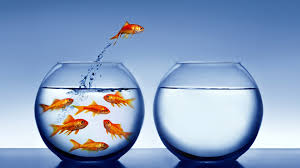
Freedom is enlightening and is there to be savored for all it is worth. It truly is energizing when you have the freedom to be yourself. Proclaim your independence and vow to live your life freely starting today. Think about how heavy and draining our lives would be if we didn’t have freedom of choice, freedom of speech, freedom of religion, freedom to choose where we live, shop, work, play, and freedom to choose our life partner. How fabulous to have such freedoms!
After living overseas for 10 years without all these freedoms, I came to realize their profound significance and impact on my energy and my ability to choose the life I wanted to live without the constraints of not having all the freedom I was used to having.
Take a look at the personal constraints you put on yourself by your beliefs or outdated rules. What other restraints can you break free of that you place on yourself or that others place on you. Did you once need such guidelines and rules and now they are pinning your down? Some of my associates have found their freedom by sending their shirts out to be laundered and ironed, or by hiring others to do their yard work or house chores. Others have found their freedom by going back to college in their 40’s to learn a new skill or earn a degree in a new field.
Still others have found their freedom after the kids finished college or when they decided they didn’t have to make their bed every day. There are some who have found the freedom of their right livelihood and shed the shackles of a job that they never really wanted to do in the first place. Or those people who have been living a lie or keeping a secret for many years who finally come to grips with their past and now exalt in the freedom of living the truth and speaking their truth.
As the statement goes, the truth will set you free. What would it take for you to feel your full freedom and to feel your full energy without constraints? What is holding you back from the freedom of fear and the freedom to be yourself? Is it you or somebody or something else that is your biggest barrier to freedom? What tools do you need to tear down the wall or scale over it? Take a look at your freedom pie chart and figure out what percentage of your life is lived in freedom.